Home · Channels · Meta Ads

Meta Ads lead generation

Facebook and Instagram will give you the cheapest leads you've ever seen. Whether they're worth anything depends entirely on what you optimize toward - and almost nobody optimizes toward the right thing.

Book a free 30-minute audit

Meta results

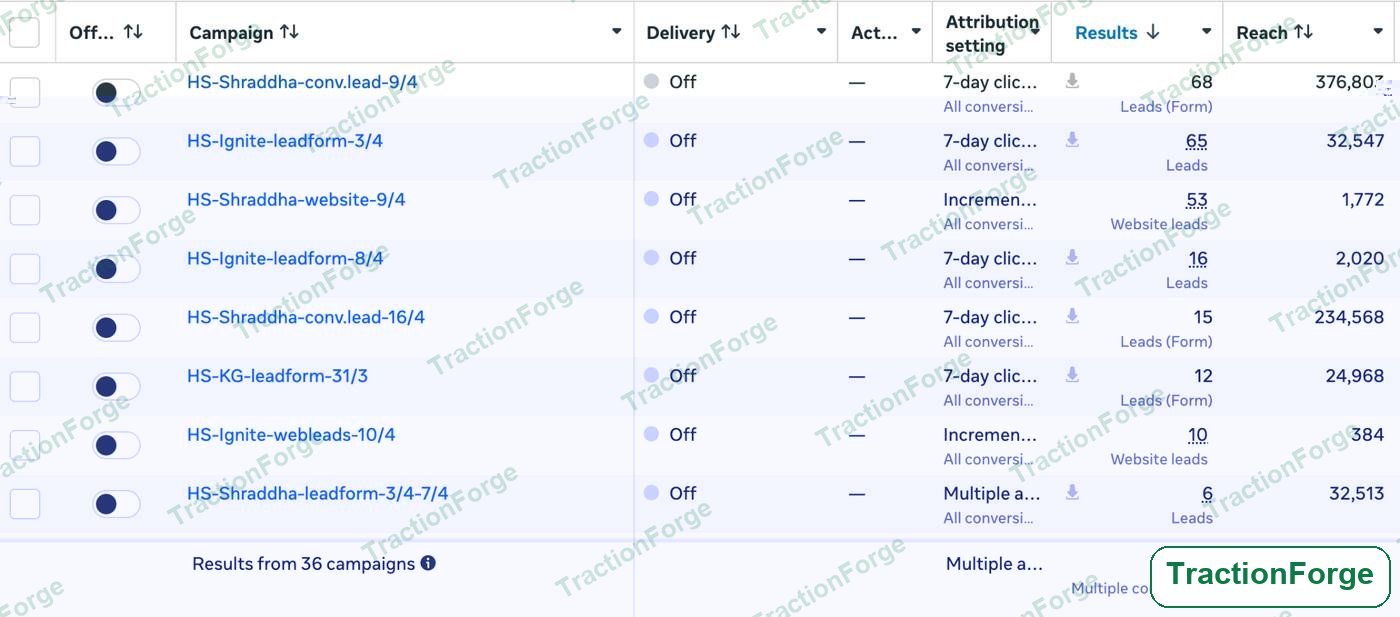
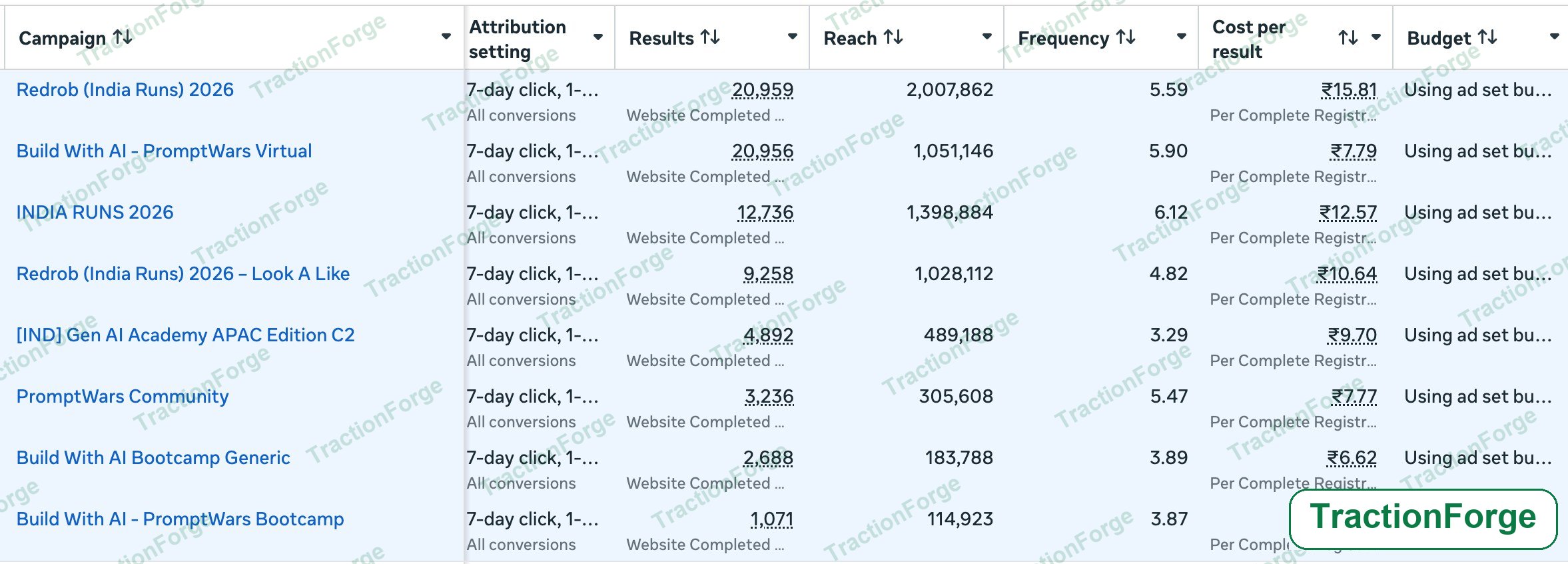
Where our Meta work has landed

Why Meta lead gen goes wrong

The platform gives you exactly what you asked for

Meta is extremely good at optimization. That's the problem - it optimizes toward whatever you defined as success, and most accounts define it badly.

Optimized for the wrong event

Ask for link clicks and you get clickers. Ask for leads and you get form fillers. Ask for qualified leads and the whole account changes character.

Instant forms with no friction

Prefilled forms submit in two taps - including by people who tapped by accident. Cheap leads, low connect rate, and a sales team that stops trusting the source.

No signal going back

If Meta never learns which leads closed, it can't find more of them. Most accounts never send that data back, so the algorithm optimizes blind forever.

Creative fatigue misread as audience fatigue

Costs rise, so the account gets restructured. Usually the audience was fine and the creative had simply been seen too many times.

Fixing the first and third of those does more for most accounts than any amount of audience restructuring.

What we run on Meta

Optimizing toward the lead that closes

Meta by category

What Meta is genuinely best at

  1. 01

    Creating demand

    Events, new programmes, new services - anything nobody is searching for yet. This is where Meta has no real competitor.

  2. 02

    Volume at low cost

    When you need thousands of registrations or enquiries rather than dozens, instant forms are unmatched on price.

  3. 03

    Tightly defined geographies

    School catchments, studio radii, serviceable pin codes - Meta's geo control is granular and cheap to test.

  4. 04

    Audiences that compound

    Past registrants and customers become lookalike sources, so recurring campaigns get cheaper over time.

Where demand already exists and people are searching for it, Google is the better channel - and most accounts should run both.

Meta questions

What people ask about Meta lead gen

Our Meta leads are cheap but terrible. Why?
Almost always because the account is optimized toward the form fill and nothing tells Meta what happened afterwards. Add qualifying questions at capture and send conversion data back from your CRM, and the same budget starts finding different people. Expect cost per lead to rise and cost per customer to fall.
Should we use instant forms or send people to a landing page?
Depends on the decision size. Low-consideration and high-volume - registrations, service enquiries - instant forms usually win outright. Anything where the buyer needs to read something first, a landing page qualifies better. Many accounts should run both and compare cost per qualified lead, not cost per lead.
What budget do we need to start?
Enough to exit the learning phase, which means roughly 50 conversions per week per campaign. At a ₹200 lead that's about ₹40,000 a week; at a ₹15 registration it's far less. Below that threshold campaigns never stabilise and results stay erratic regardless of who runs them.
Do you need access to our ad account, or do you run it on yours?
Yours, always. You own the account, the pixel, the audiences and the historical data. If we stop working together, all of it stays with you - which is not the case with agencies who run clients through their own accounts.
How long before we see results?
First leads within days. Meaningful cost stability takes two to four weeks as campaigns exit learning. Quality improvements from conversion feedback take longer - typically six to eight weeks, because the algorithm needs a volume of closed outcomes before it can act on them.
Cheap Meta leads that nobody can close?

Book a free 30-minute audit. We'll look at what your account is optimizing toward, whether conversion data is going back, and what's actually driving the quality problem.